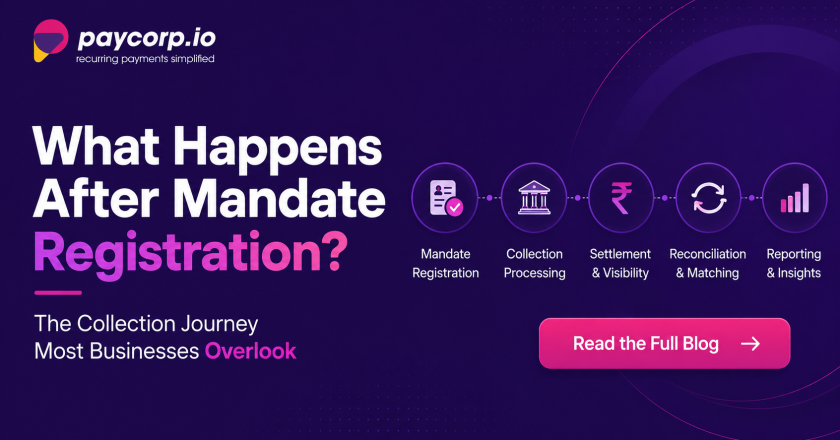
When businesses evaluate a recurring payment solution, most of the attention is placed on mandate registration. Questions like “How quickly can customers authorize?” or “Which mandate method should we use NACH or UPI AutoPay?” often dominate discussions. However, mandate registration is only the beginning. The real challenge starts after the mandate is approved. This is where collections, settlement cycles, reconciliation,…
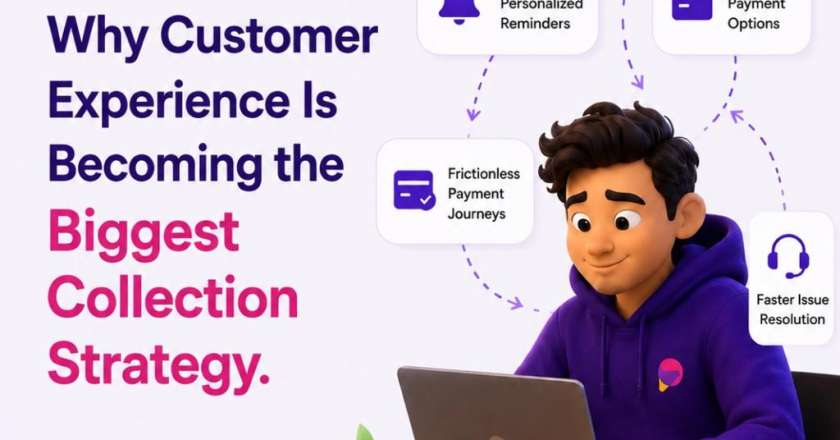
For years, collections have been viewed as a recovery function—a process focused on ensuring payments are received on time. Businesses invested heavily in collection teams, reminder mechanisms, and recovery processes to improve payment outcomes. But today’s customers have changed. In a world where consumers can order groceries in minutes, complete transactions with a single click, and access services instantly, they…
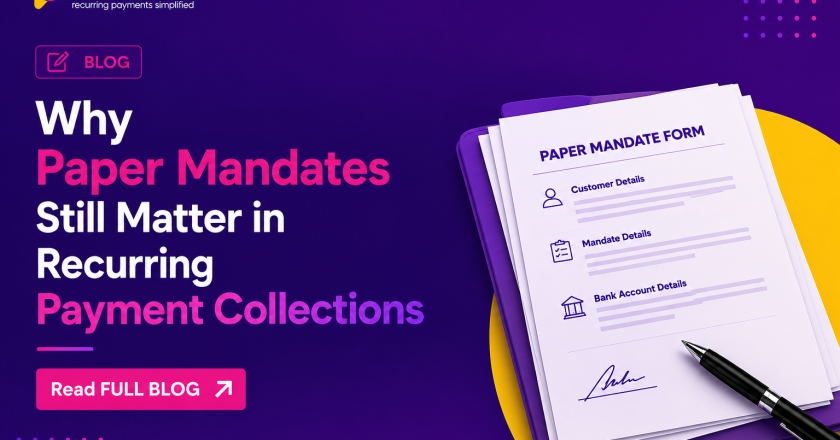
In today’s rapidly evolving digital payment ecosystem, recurring payments have become an essential part of industries such as lending, insurance, banking, utilities, subscriptions, and financial services. Businesses are increasingly adopting automated collection systems to improve payment consistency, reduce follow-ups, and create smoother customer experiences. However, despite the rapid growth of digital payment solutions, paper mandates continue to hold significant importance…
Most businesses today have moved to digital payments. They’ve adopted: On the surface, everything looks automated. But there’s still one critical gap. Visibility. The Real Challenge Isn’t Collection – It’s Clarity Payments may be getting processed. But many businesses still don’t have instant answers to: Instead, they rely on: Even with a strong eNACH service provider setup or a well-defined…
Your Payment Data Is Increasing But Is It Helping You Grow? With NACH, UPI AutoPay, and eMandates becoming core to payment collections, businesses today handle a large volume of mandate data every single day. From registrations to approvals, rejections, and collections everything generates data. But here’s the reality: Most businesses are still not able to fully use this data. So…