

This is a sample post created to test the basic formatting features of the WordPress CMS. Subheading Level 2 You can use bold text, italic text, and combine both styles. Bullet list item #1 Item with bold emphasis And a link: official WordPress site Step one Step two Step three This content is only for demonstration purposes. Feel free to…
For businesses that rely on recurring payments, every missed payment represents more than delayed revenue—it creates operational inefficiencies, increases collection costs, and impacts customer relationships. Whether you’re a bank, NBFC, fintech, insurance provider, EdTech platform, or subscription business, maintaining consistent cash flow is essential for sustainable growth. Traditional collection methods often struggle with failed transactions, manual follow-ups, and fragmented payment…

As Q2 begins, businesses are preparing for aggressive growth targets, improved cash flow, and stronger customer retention. Sales teams are chasing new opportunities, finance teams are forecasting revenue, and leadership is focused on scaling operations. Yet, one challenge continues to impact businesses across industries: Recurring payments are still being managed manually. Every missed EMI, delayed subscription renewal, or failed premium…
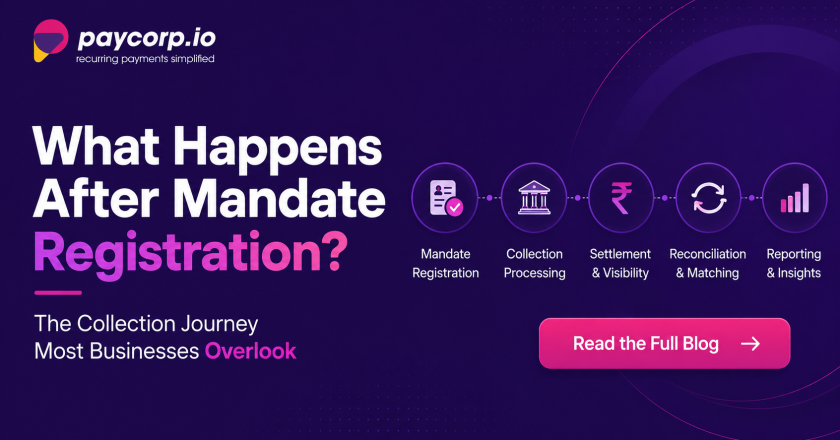
When businesses evaluate a recurring payment solution, most of the attention is placed on mandate registration. Questions like “How quickly can customers authorize?” or “Which mandate method should we use NACH or UPI AutoPay?” often dominate discussions. However, mandate registration is only the beginning. The real challenge starts after the mandate is approved. This is where collections, settlement cycles, reconciliation,…
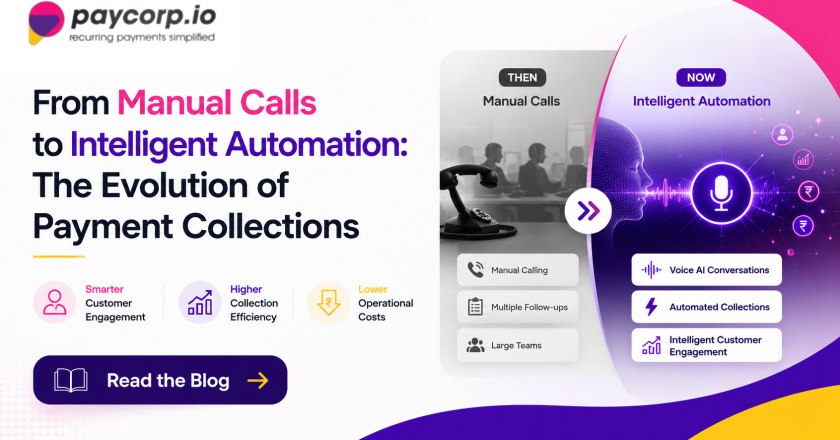
The collections landscape is undergoing a significant transformation. As customer expectations evolve and digital payments become the norm, businesses can no longer rely solely on manual calling teams to manage payment reminders, customer follow-ups, and collection activities. Banks, NBFCs, fintechs, subscription businesses, and enterprises are increasingly adopting intelligent automation to streamline customer engagement and improve collection outcomes. Combined with technologies…